
Effective Strategies to Keep Your Artificial Turf Cool During Hot Texas Summers
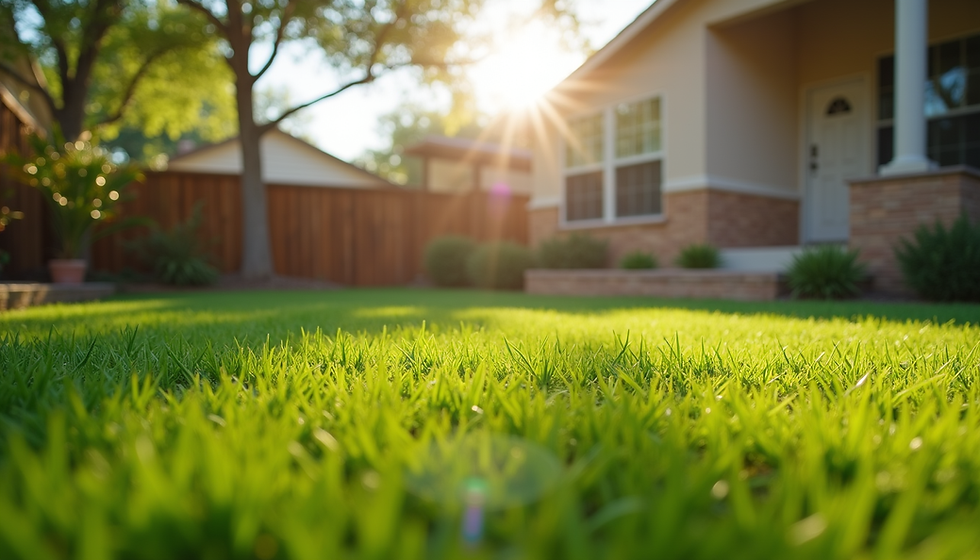
Artificial turf offers a low-maintenance, green alternative to natural grass, especially in regions like Texas where drought and heat can make lawn care challenging. However, one common issue with artificial turf is that it can become uncomfortably hot under the intense Texas sun. This heat can make outdoor spaces less enjoyable and even unsafe for children and pets. Understanding how to keep your artificial turf cool can help you maintain a comfortable, usable yard all summer long.
Why Artificial Turf Gets Hot in Texas
Artificial turf is made from synthetic fibers designed to look like grass. Unlike natural grass, it does not have the natural cooling effect from soil moisture and transpiration. When exposed to direct sunlight, the turf absorbs and retains heat, sometimes reaching temperatures 30 to 60 degrees hotter than natural grass. This can create a surface that feels like walking on hot pavement.
Texas summers are known for their high temperatures, often exceeding 100°F. The combination of strong sunlight and heat means artificial turf can become a serious heat hazard if not managed properly.
Choose Turf with Cooling Technology
One of the best ways to reduce heat buildup is to select artificial turf designed with cooling features. Some manufacturers produce turf with:
Infill materials that reflect heat rather than absorb it
Fibers made from lighter colors or heat-reflective materials
Special coatings that reduce surface temperature
For example, turf with a sand and cork infill tends to stay cooler than traditional crumb rubber infill. Cork is a natural insulator and helps keep the surface temperature down.
Use Shade to Your Advantage
Providing shade over your artificial turf is a simple and effective way to lower surface temperatures. Consider:
Planting trees strategically around your yard to cast natural shade
Installing shade sails or pergolas over high-use areas
Using umbrellas or retractable awnings for flexible shade options
Even partial shade can reduce turf temperature by 20 to 30 degrees, making a big difference during peak afternoon heat.
Regularly Cool the Turf with Water
Spraying your artificial turf with water during the hottest parts of the day can quickly lower its temperature. Water cools the surface through evaporation and can bring the turf temperature down by 30 degrees or more within minutes.
Tips for watering turf effectively:
Use a garden hose or sprinkler to wet the turf thoroughly
Water during the hottest hours, typically between 11 a.m. and 3 p.m.
Avoid overwatering areas near structures to prevent water damage
This method is cost-effective and easy to implement, especially if you already have irrigation systems in place.
Maintain Proper Turf Infill Levels
Infill plays a key role in turf temperature. It supports the fibers and adds cushioning but can also affect heat retention. Keeping the infill at the recommended level ensures the turf performs as intended.
Check infill levels annually or after heavy use
Add or redistribute infill to avoid bare spots
Consider using infill materials that help reduce heat, such as coated sand or cork
Proper infill maintenance not only keeps your turf cooler but also extends its lifespan.
Use Cooling Gels or Sprays
Some companies offer cooling gels or sprays specifically designed for artificial turf. These products create a thin, reflective layer on the turf fibers that reduces heat absorption.
Apply cooling sprays according to manufacturer instructions
Reapply after heavy rain or every few weeks during summer
Test on a small area first to ensure no discoloration or damage
While this method requires ongoing effort, it can significantly improve comfort in high-traffic areas.
Install Light-Colored Turf
Dark colors absorb more heat, so choosing a lighter shade of artificial turf can help keep temperatures down. While natural grass varies in color, artificial turf comes in a range of greens and even mixed tones.
Select turf with lighter green or olive tones
Avoid very dark or black backing materials that trap heat
Balance aesthetics with cooling benefits
Light-colored turf reflects more sunlight, reducing heat buildup on the surface.
Improve Airflow Around Turf Areas
Good airflow helps dissipate heat from artificial turf. If your turf is surrounded by walls or fences that trap heat, consider ways to increase ventilation.
Use lattice or open fencing to allow breezes
Avoid dense shrubbery that blocks airflow
Position turf in areas with natural wind exposure
Even a gentle breeze can lower surface temperatures and improve comfort.
Avoid Heat-Absorbing Surfaces Nearby
Materials like concrete, asphalt, and dark decking absorb and radiate heat, increasing the temperature around your turf. To reduce heat buildup:
Use lighter-colored paving materials near turf
Add mulch or gravel beds to break up heat-absorbing surfaces
Incorporate plants or ground cover to cool the area
Reducing heat sources around your turf helps keep the entire yard cooler.
Use Outdoor Fans or Misting Systems
For patios or play areas with artificial turf, outdoor fans or misting systems provide active cooling.
Fans circulate air and create a cooling breeze
Misting systems spray fine water droplets that evaporate quickly, lowering temperature
These systems require electricity and water but can make outdoor spaces much more comfortable during extreme heat.
Protect Pets and Children from Hot Turf
Artificial turf can become dangerously hot for pets and children. To keep them safe:
Schedule outdoor playtimes in early morning or late evening
Provide shaded rest areas with cooling mats or water bowls
Use cooling sprays or water to lower turf temperature before play
Taking these precautions prevents burns and heat stress.
Summary
Artificial turf offers many benefits for Texas homeowners, but the summer heat can make it uncomfortable. Choosing turf with cooling features, providing shade, watering regularly, and maintaining infill are practical ways to keep your turf cool. Additional steps like using cooling sprays, selecting lighter colors, improving airflow, and avoiding heat-absorbing surfaces also help. For active cooling, fans and misting systems can make a big difference. Protecting pets and children from hot surfaces ensures your yard stays safe and enjoyable.


Comments